

Deceleration: Anatomical Sequencing Made Simple with Drills & Movements to Practice and Self Dia
- Apr 8, 2018
- 2 min read
Updated: Jan 17, 2023
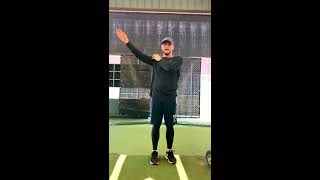
Prelude: This video demonstrates a lot of what is discussed throughout the talking points below. It is worth noticing how the scapula moves about the rib cage to offer space for the arm to come through. Also, note how the forearm is supinated up until release, is in flexion at release and then transitions into pronation. For further clarification, watch the video below or reach out via email.
This is a 13 minute video discussing in-depth dynamics of the anatomy the mechanisms that occur to allow for what is popularly known as a "Decel Pattern".
Below are the drills mentioned (and probably ones I forgot to mention, but ones you can look up) in the video and their respective purposes to help improve your deceleration patterns (for lack of a better term). Please keep in mind that the movements listed below have many pros and cons that are not listed and this list is a WAY over simplified description of what happens:
Medball Shot Put: Scapular Protraction
Yoga Pushup: Scapular Upward Rotation
Quadruped Reach: Rounding of Thoracic Spine and Scapular Protraction
Serratus Wall Slide: Scapular Upward Rotation
Wrist Weights: Transition of Forearm Supination to Forearm Pronation
Row Variations: Patterning of Pronation/ Supination as well as Teaching the Scapulae to Properly Move About the Rib Cage
Supine Lateral Seam Stretch: Improve Lateral Seam Mobility and Function
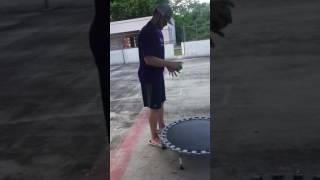
Trampoline Rebounders: "Unraveling of the Arm"
Also, please note that if you'd like to see more movements to improve scapular, thoracic, lat (and many more) functions, follow this link to another post which has 13 minutes of movement, mobility prescriptions and examples of how to help and assess yourself.
This video was my first take for this video. It is abbreviated and not complete but if you'd like to see, go right ahead. Figured I'd share it because Why Not? Thanks, Ryan Faer for recording this.










Excel assignments have always been a bit overwhelming for me, especially when it comes to complex formulas and pivot tables. A friend recommended I look into professional help, and honestly, it made such a difference. Getting Excel assignment help changed how I approach my coursework entirely. The solutions I received were well-structured, clearly explained, and easy to follow. I could actually understand the logic behind each formula rather than just copying answers blindly. My grades improved significantly, and I now feel more confident tackling spreadsheets on my own. Definitely worth exploring if you're behind on submissions.
The point about watching the scapula glide during those drills makes sense, but I wonder if that level of detail might distract someone still learning the basic timing. Do you usually progress from gross movement to this kind of fine control, or does it vary?
online image workflow
The point about the forearm staying supinated until release really clicked for me—I’d been rushing that pronation transition and losing all my whip. I’ve been drilling the scapular glide with a wall slide, but adding the flexion-to-pronation cue feels like the missing piece, check out the full breakdown here. https://aibestfinder.com
The point about the forearm staying supinated until release then flipping into pronation really clarifies the whip—I’d never thought of the scapula creating that extra room first. I’ve been drilling this with a light band and it’s finally clicking, check out https://cowork-code.com
The point about the forearm staying supinated until release is a game-changer—I never realized how much that affects the whip. The scapular glide on the rib cage finally clicked for me after watching that video. I've been drilling this with a https://ai-for-animation.com